Global Flavors Japanese Teriyaki Salmon
Highlighted under: International Plate Collection
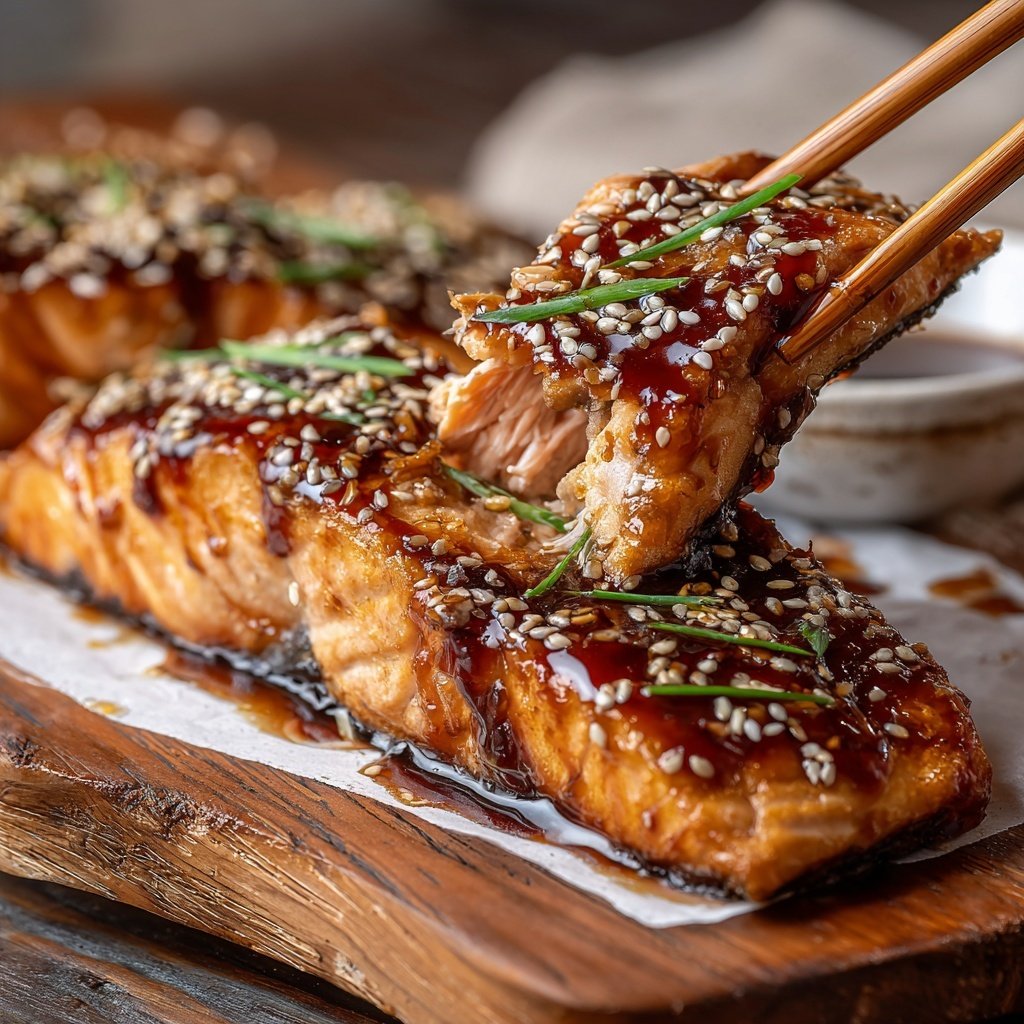
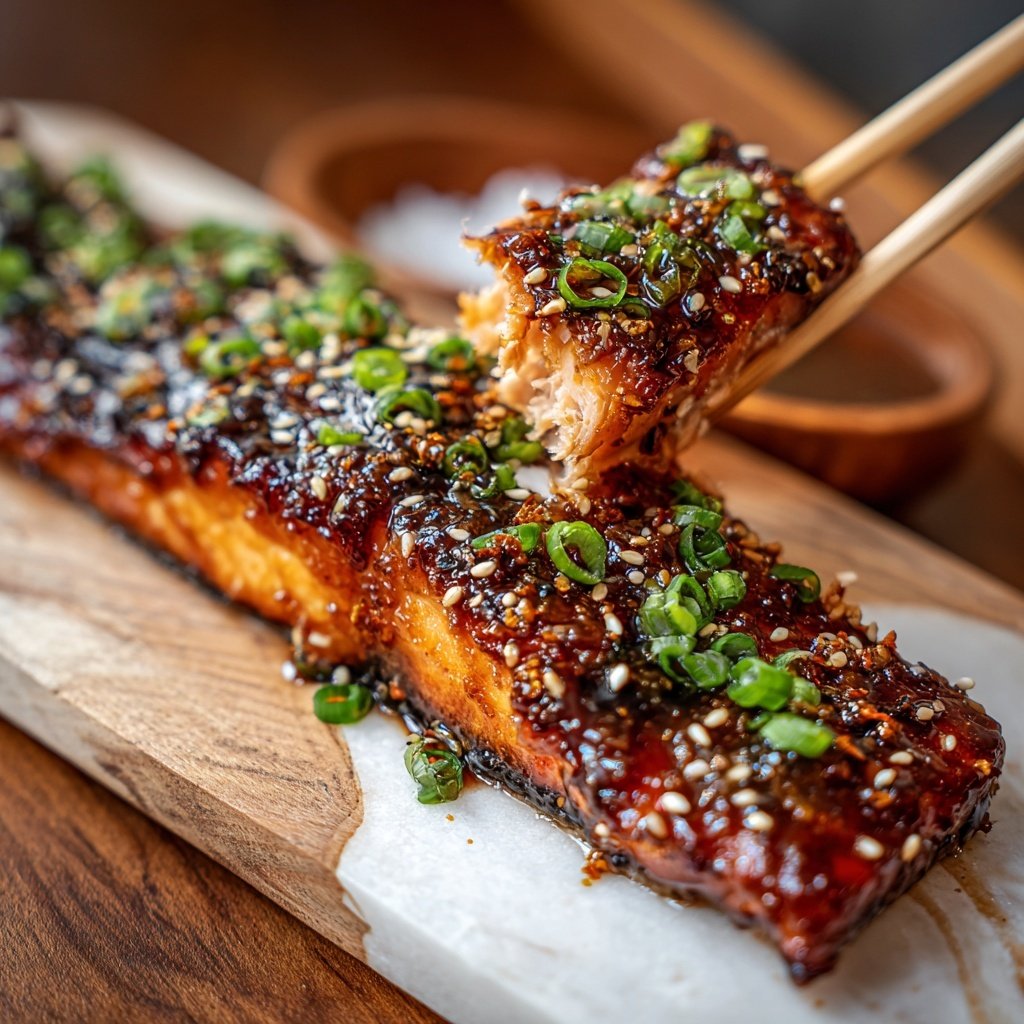
I absolutely love preparing Japanese Teriyaki Salmon at home; it's become one of my go-to recipes for impressing guests or treating myself to something special. The way the sweet and savory teriyaki glaze caramelizes on the salmon is simply irresistible. It takes just a few ingredients, and with the right technique, I can replicate that restaurant-quality dish right in my kitchen. This recipe not only yields perfectly flaky salmon but also offers a burst of global flavors that makes my taste buds dance.
When I first tried making teriyaki salmon, I was amazed at how easy it was to achieve such authentic flavor with just a handful of ingredients. My secret tip? Marinate the salmon for at least 30 minutes. This allows the fish to absorb that rich teriyaki flavor directly into the meat, creating an extraordinary taste experience.
One time, I decided to grill the salmon to enhance its smoky flavor. The result was delicious! The slight char from the grill paired beautifully with the sweet glaze. Now, I always keep a piece of salmon handy and whip up this dish whenever I want to impress someone or just indulge in a delightful meal.
Why You'll Love This Recipe
- Rich, umami-packed teriyaki glaze that elevates salmon to new heights
- Quick preparation makes it perfect for weeknight dinners
- Versatile dish that pairs well with rice or steamed vegetables
Mastering the Teriyaki Marinade
The teriyaki marinade serves as the backbone of flavor for this dish. Each ingredient plays a crucial role: soy sauce provides the umami depth, while mirin introduces a touch of sweetness and acidity that balances the saltiness. The brown sugar not only enhances this sweetness but also helps in achieving that characteristic caramelization when cooked. A good ratio is key; too much sugar can lead to overly sweet salmon, while too little might not yield the rich, glossy finish we’re aiming for.
While the traditional recipe calls for soy sauce and mirin, you can easily customize it for dietary restrictions. For a gluten-free option, look for tamari instead of soy sauce. If you're watching your sugar intake, try substituting the brown sugar with a sugar alternative, but keep in mind that this may alter the final texture of the glaze. Allowing the salmon to marinate for at least 30 minutes ensures that it absorbs a robust flavor profile; I often let it sit for a couple of hours for even more intensity.
Cooking Techniques for Flaky Salmon
When it comes to cooking the salmon, using a skillet over medium-high heat allows for an optimal sear. This method results in a golden crust while keeping the center tender and flaky. It usually takes about 3-4 minutes per side, but this can vary based on the thickness of your fillets. Look for the salmon to turn opaque and easily flake with a fork; this is an excellent indicator that it's cooked through without becoming dry.
If you're worried about sticking, ensure your skillet is properly preheated before adding the salmon. A non-stick skillet or a well-seasoned cast iron pan works best for this recipe. If you notice your salmon starts sticking, it might be because the pan wasn’t hot enough. Troubleshoot this by gently nudging with a spatula to see if it releases; if it doesn't, give it a little more time on the heat.
Serving Suggestions and Variations
This Japanese Teriyaki Salmon pairs beautifully with steamed jasmine rice or sautéed broccoli. The rice soaks up the flavorful sauce, while the vegetables add freshness and texture. For an added layer of flavor, consider garnishing with a squeeze of fresh lime or a sprinkle of togarashi spice, which can introduce a spicy kick that balances the sweetness of the teriyaki glaze.
For a twist on this recipe, try substituting salmon with other types of fish like trout or even chicken thighs. Cooking times will vary; for chicken, ensure it reaches an internal temperature of 165°F. Additionally, if you prefer a smoky flavor, you could grill the salmon instead of pan-searing it. Just remember to adjust the marinade slightly to accommodate any outdoor grilling nuances, as the heat may caramelize the glaze differently.
Ingredients
Gather these ingredients to make an unforgettable teriyaki salmon dish.
Ingredients
- 4 salmon fillets
- 1/4 cup soy sauce
- 1/4 cup mirin
- 2 tablespoons brown sugar
- 1 tablespoon sesame oil
- 2 cloves garlic, minced
- 1 inch ginger, grated
- 1 tablespoon cornstarch
- 2 tablespoons water
- Sesame seeds for garnish
- Chopped green onions for garnish
Feel free to adjust the ingredients based on your preference!
Instructions
Follow these simple steps to create your teriyaki salmon masterpiece.
Prepare the Marinade
In a bowl, whisk together soy sauce, mirin, brown sugar, sesame oil, minced garlic, and grated ginger. This blend of ingredients forms the delicious teriyaki marinade.
Marinate the Salmon
Place the salmon fillets in the marinade and let them sit for at least 30 minutes to soak up all the flavors.
Cook the Salmon
Heat a skillet over medium-high heat. Remove the salmon from the marinade (reserve the marinade) and cook for about 3-4 minutes on each side. The salmon should be flaky yet tender.
Make the Sauce
In the same skillet, add the reserved marinade. Mix cornstarch with water and whisk it into the marinade. Cook for a few minutes until the sauce thickens.
Serve
Drizzle the thickened teriyaki sauce over the salmon fillets. Garnish with sesame seeds and chopped green onions. Enjoy!
Pair this dish with steamed rice or your favorite vegetables for a complete meal.
Pro Tips
- For an extra kick, add a splash of chili oil to the marinade or sprinkle some red pepper flakes over the finished dish. Always use fresh ingredients for the best flavor.
Storage and Reheating Tips
If you happen to have leftover teriyaki salmon, store it in an airtight container in the refrigerator for up to 3 days. To maintain freshness, I recommend reheating it gently in a skillet over low heat to avoid drying it out. Adding a splash of water or a drizzle of sesame oil can help keep the salmon moist while warming.
You can also freeze the marinated salmon fillets before cooking. This not only saves time but allows for meal prep flexibility. Just ensure they are well-wrapped to prevent freezer burn. When you’re ready to cook, simply thaw in the refrigerator overnight before preparing as usual. This method retains the flavor while making dinner a breeze on busy weeknights.
Troubleshooting Common Issues
A common issue when cooking salmon is overcooking, which can lead to a dry texture. If you notice your salmon is beginning to flake too much or is losing its vibrant color, it may be time to remove it from the heat. Remember, it's okay for the center to look slightly undercooked, as it will continue to cook off the heat.
If your glaze isn't thickening properly, ensure you're whisking the cornstarch mixture thoroughly before adding it to the marinade. The key is to allow it to cook for a few minutes after adding; it should become glossy and coat the back of a spoon. If it still seems thin, mix a little more cornstarch with water and add it until you reach your desired consistency.
Questions About Recipes
→ Can I use frozen salmon?
Yes, just make sure to thaw it completely before marinating.
→ Is this recipe healthy?
Yes, salmon is rich in omega-3 fatty acids, and when prepared with low-sodium soy sauce, it can be a healthy choice.
→ Can I use this marinade for other proteins?
Absolutely! Chicken and tofu can also be marinated with this teriyaki sauce to create delicious alternatives.
→ What can I serve with teriyaki salmon?
It pairs wonderfully with steamed rice, quinoa, or sautéed vegetables for a balanced meal.
Global Flavors Japanese Teriyaki Salmon
Created by: Talia Preston
Recipe Type: International Plate Collection
Skill Level: Intermediate
Final Quantity: 4 servings
What You'll Need
Ingredients
- 4 salmon fillets
- 1/4 cup soy sauce
- 1/4 cup mirin
- 2 tablespoons brown sugar
- 1 tablespoon sesame oil
- 2 cloves garlic, minced
- 1 inch ginger, grated
- 1 tablespoon cornstarch
- 2 tablespoons water
- Sesame seeds for garnish
- Chopped green onions for garnish
How-To Steps
In a bowl, whisk together soy sauce, mirin, brown sugar, sesame oil, minced garlic, and grated ginger. This blend of ingredients forms the delicious teriyaki marinade.
Place the salmon fillets in the marinade and let them sit for at least 30 minutes to soak up all the flavors.
Heat a skillet over medium-high heat. Remove the salmon from the marinade (reserve the marinade) and cook for about 3-4 minutes on each side. The salmon should be flaky yet tender.
In the same skillet, add the reserved marinade. Mix cornstarch with water and whisk it into the marinade. Cook for a few minutes until the sauce thickens.
Drizzle the thickened teriyaki sauce over the salmon fillets. Garnish with sesame seeds and chopped green onions. Enjoy!
Extra Tips
- For an extra kick, add a splash of chili oil to the marinade or sprinkle some red pepper flakes over the finished dish. Always use fresh ingredients for the best flavor.
Nutritional Breakdown (Per Serving)
- Calories: 320 kcal
- Total Fat: 18g
- Saturated Fat: 3g
- Cholesterol: 85mg
- Sodium: 800mg
- Total Carbohydrates: 20g
- Dietary Fiber: 1g
- Sugars: 8g
- Protein: 25g